 Thinkabara
🎈 Toys & fun in Amharic
Toys and fun in Amharic — balloon, teddy bear, gift, drum and guitar.
🎮 Find the picture
Hear or read a word in Amharic and tap the right picture. Ten rounds.
🗣️ Pronunciation & grammar
- ከበሮ (ke-be-ro) is the traditional drum that goes with singing and dancing at celebrations.
- ቴዲ ቢር (tay-di bir) comes straight from English: "teddy bear."
- In ስጦታ (si-to-ta) there is ጦ, an ejective "t."
💡 Why start with toys & fun?
Toys and fun are the words of birthdays, vacations and free play. Practice them before a birthday — the child can surprise friends or grandparents with a new word.
🏃 Games to play at home or in class
- Teddy’s party: Throw a party for a doll: bring a አፉፋ (a-fu-fa), a ስጦታ (si-to-ta) and a cake, and say the name of everything you put down.
- Wrapped gift: Wrap a toy in newspaper, feel it and guess what is inside — in the new language.
- Move and say: Say ጊታር (gi-tar) — everyone strums in the air; አፉፋ (a-fu-fa) — everyone blows up a pretend balloon and floats around the room.
🖨️ Print and play
Toys & fun in Amharic 🎈
 አፉፋa-fu-fa · balloon
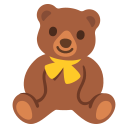 ቴዲ ቢርtay-di bir · teddy bear
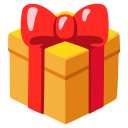 ስጦታsi-to-ta · gift
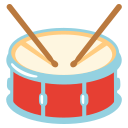 ከበሮke-be-ro · drum
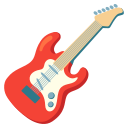 ጊታርgi-tar · guitar
Toys & fun in Amharic — memory game
Cut out the cards, turn them face down and find each picture with its word.
Draw a line from each picture to its Amharic word
Name: ____________________
●●●●●Frequently asked questions
How do you say "balloon" in Amharic?
አፉፋ — it sounds like a-fu-fa.
How do you say "teddy bear" in Amharic?
ቴዲ ቢር — it sounds like tay-di bir.
How do you say "gift" in Amharic?
ስጦታ — it sounds like si-to-ta.
How do you say "happy birthday" in Amharic?
መልካም ልደት — literally "good birth."
How do I print Amharic toys & fun flashcards?
Choose Flashcards, Memory game or Draw-a-line worksheet under "Print and play". Every sheet is US Letter. Tick the box first if you want the English meaning and pronunciation printed under each word.
What should we learn next?
Pick another topic, such as colors, numbers 1–10, animals, or take the Amharic quiz to mix words from every topic.
Toys & fun in other languages
More Amharic topics
✔️ Every word on this page is checked against the Unicode CLDR word lists written by native speakers. The pronunciation is computed from a phonetic engine, not typed by hand.